Introduction
In today’s fast-paced digital world, communication has evolved tremendously. Gone are the days when we relied solely on traditional landlines or even cellular networks for voice calls. Now, with the advent of technology, we find ourselves amidst a revolution: Voice Over Wi-Fi (VoWiFi). This innovative trend is fundamentally reshaping how we connect with one another, offering a multitude of advantages that enhance both personal and professional communication.
But what exactly is Voice Over Wi-Fi? How does it work? And why is it becoming increasingly popular among consumers and businesses alike? In this article, we will delve deep into the world of VoWiFi, exploring its features, benefits, implications for VoIP phone service, and its future in modern communication.
What is Voice Over Wi-Fi?
Understanding the Basics of VoWiFi
Voice Over Wi-Fi refers to making voice calls using a wireless internet connection rather than a traditional mobile network. Essentially, it converts your voice into data packets that travel over the internet, allowing you to make calls through an internet connection.
How Does Voice Over Wi-Fi Work?
When you initiate a call using VoWiFi, your device sends your voice as data packets over the internet via your home broadband VoIP phone service reviews or public Wi-Fi network. The receiving device then reassembles these packets back into audio format for clear communication.
The Technology Behind VoWiFi
VoWiFi employs various technologies such as SIP (Session Initiation Protocol) and RTP (Real-Time Protocol) to ensure high-quality voice transmission over IP networks. These protocols facilitate not just voice calls but also video calls and messaging services.
Benefits of Voice Over Wi-Fi
Cost-Effective Communication
One of the most significant advantages of using VoWiFi is cost savings. With VoIP phone service providers often offering lower rates for international calls compared to traditional cellular networks, users can save considerable amounts on their monthly bills.
Enhanced Call Quality
VoWiFi typically provides superior call quality due to higher bandwidth availability in many environments. This results in clearer audio and reduced latency during conversations.
Improved Coverage
In areas with poor cellular reception but strong Wi-Fi signals—like basements or remote locations—VoWiFi allows users to make calls without interruption. This means no more dropped calls or frustrations from weak signal strengths.
Seamless Transition Between Networks
Modern smartphones equipped with VoWiFi can switch between cellular and Wi-Fi networks seamlessly during calls. This ensures that you remain connected even if you move out of range of one network while being connected to another.
Voice Over Wi-Fi vs. Traditional Calling Methods
Comparative Analysis: Cost Implications
| Feature | Voice Over Wi-Fi | Traditional Cellular | |------------------------|--------------------|-----------------------| | International Rates | Lower | Higher | | Monthly Subscription | Often No Extra Fees | Standard Plans |
While traditional calling methods may offer reliability in certain circumstances, they often come at a premium compared to the cost-effective nature of VoWiFi.
Quality Control: Which is Better?
VoWiFi generally provides better quality when compared to traditional cellular networks because it uses high-definition codecs that optimize sound clarity. However, this can be subject to existing network conditions like available bandwidth and congestion levels.
Common Use Cases for Voice Over Wi-Fi
Using VoWiFi for Business Communication
In business settings where employees frequently travel or work remotely, implementing VoWiFi can lead to enhanced communication capabilities without incurring excessive costs associated with roaming charges or international call fees.
Personal Use: Enhancing Family Connectivity
Families spread across different parts of the globe can leverage VoWiFi for cost-effective calling options without compromising on quality—an essential aspect when maintaining relationships over long distances.
Adoption of Voice Over Wi-Fi Globally
Regional Variations in Adoption Rates
The adoption rate of VoWiFi varies by region due to differences in infrastructure investment and consumer habits. Countries with robust broadband coverage tend to embrace this technology more quickly than those with limited internet access.
Influence of Telecom Regulations on Adoption
Telecommunication regulations play a crucial role in how quickly and effectively consumers adopt new technology like VoWiFi. Governments that encourage innovation often see higher adoption rates among users seeking improved communication technologies.
Challenges Facing Voice Over Wi-Fi
Network Reliability Issues
While VoWiFi offers many benefits, its reliance on stable internet connections means that any disruptions—whether due to outages or slow speeds—can affect call quality and reliability significantly.
Security Concerns with Public Networks
Utilizing public Wi-Fi networks raises security issues concerning data privacy and potential hacking attempts. Users should take necessary precautions such as using VPNs (Virtual Private Networks) when making sensitive calls over public connections.
Future Trends in Voice Over Wi-Fi Technology
Integration with IoT Devices
As Internet of Things (IoT) devices become ubiquitous in everyday life—from smart homes to wearable tech—VoWiFi could play a pivotal role in facilitating seamless connectivity among these devices through voice commands.
Artificial Intelligence Enhancements
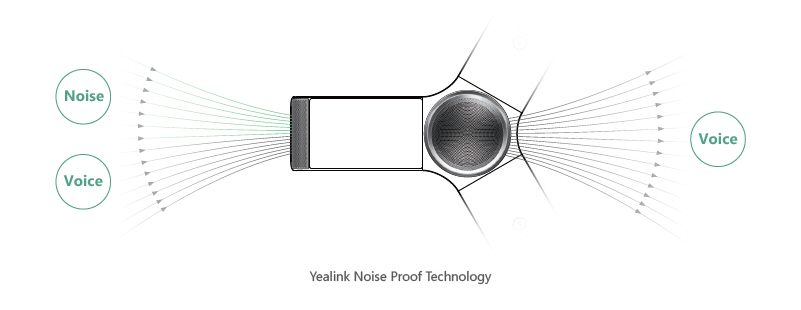
AI technology is anticipated to further enhance VoWifi by improving noise cancellation features during calls and optimizing data usage based on real-time network conditions.
Exploring Voice Over Wi-Fi as a Trend in Modern Communication
The continuous evolution of communication technologies suggests that trends like Voice Over Wi-Fi will only gain traction moving forward. With its numerous advantages—including cost-effectiveness, enhanced call quality, improved coverage—it’s evident why both individuals and businesses are pivoting toward this method of communication as their primary means for connecting with others globally.
Frequently Asked Questions (FAQs)
1. What devices support Voice Over Wi-Fi?
Most modern smartphones—including iPhones and Android devices—support VoWiFi capabilities if enabled by the carrier's settings. Laptops equipped with specific software can also utilize this feature through compatible apps like Skype or WhatsApp.
2. Do I need specific hardware for VoIP phone service?
While some dedicated hardware exists for optimal performance (like IP phones), many users can utilize their current smartphones once properly configured through their service provider's settings.
3. Can I use Voice Over Wi-Fi internationally?
Absolutely! One significant advantage is that you can make international calls without incurring hefty fees associated with cellular networks; however, both parties need stable internet access for optimal performance.
4. How do I ensure my conversations are secure while using public networks?
For added protection against potential threats when using Business Phone Service public networks for your voice calls via VoIP services, consider utilizing VPNs which encrypt your data transmission ensuring privacy during communications.
5. Is there an additional charge from my carrier for using VoWiFi?
This generally depends on your service provider; while some may charge extra fees tied directly towards usage patterns similar to standard calling plans; others promote unlimited usage at no additional cost under certain conditions depending upon account setups/services selected by customers themselves!
6 . Will my battery drain faster when using Voice over Wifi?
Yes! Using applications requiring constant internet connectivity tends naturally cause drains compared typical standby times experienced during regular cellular usage; however advancements continuously improve efficiencies ensuring minimal impacts occur overall!
Conclusion
To wrap it all up— exploring voice over wi-fi as a trend in modern communication unveils an exciting new frontier within our day-to-day interactions whether it comes down personal lives intertwined closely together regardless distance separating them physically or businesses expanding globally looking establish efficient channels reach clients market audiences alike!
With continued advancements shaping future landscapes surrounding telecommunications industries pushing boundaries beyond imaginable realms nowadays—we’re bound witness profound changes altering dynamics established previously creating fresh opportunities emerge everywhere! Embracing innovative methods like Voice over Wifi heralds bright possibilities awaits anyone willing adapt embrace transformative shifts occurring right before our eyes shifting paradigms slowly yet surely redefine how we communicate forevermore!